Julius Caesar
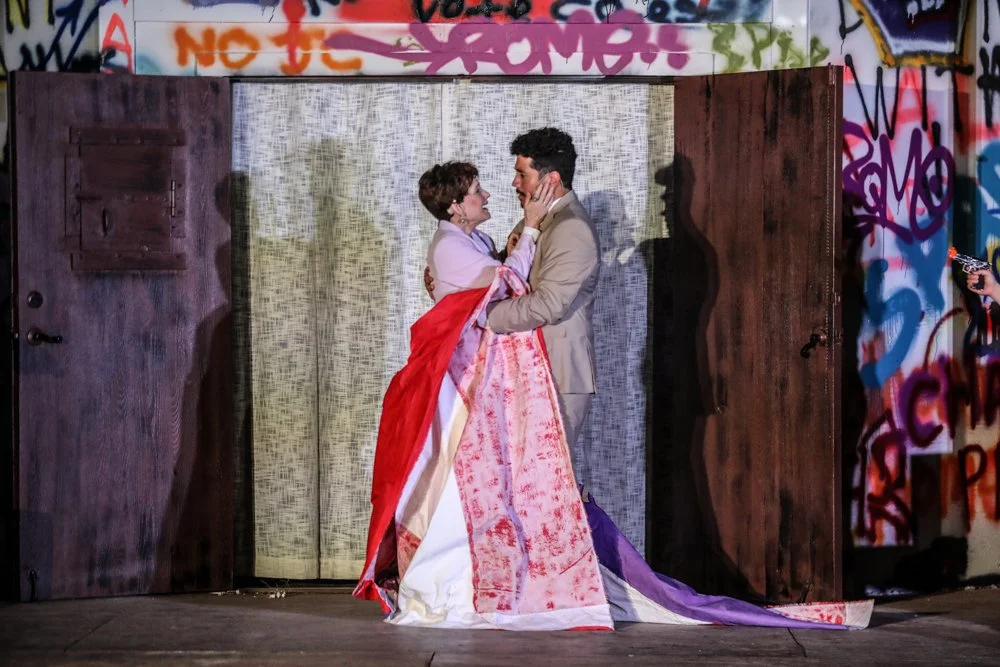
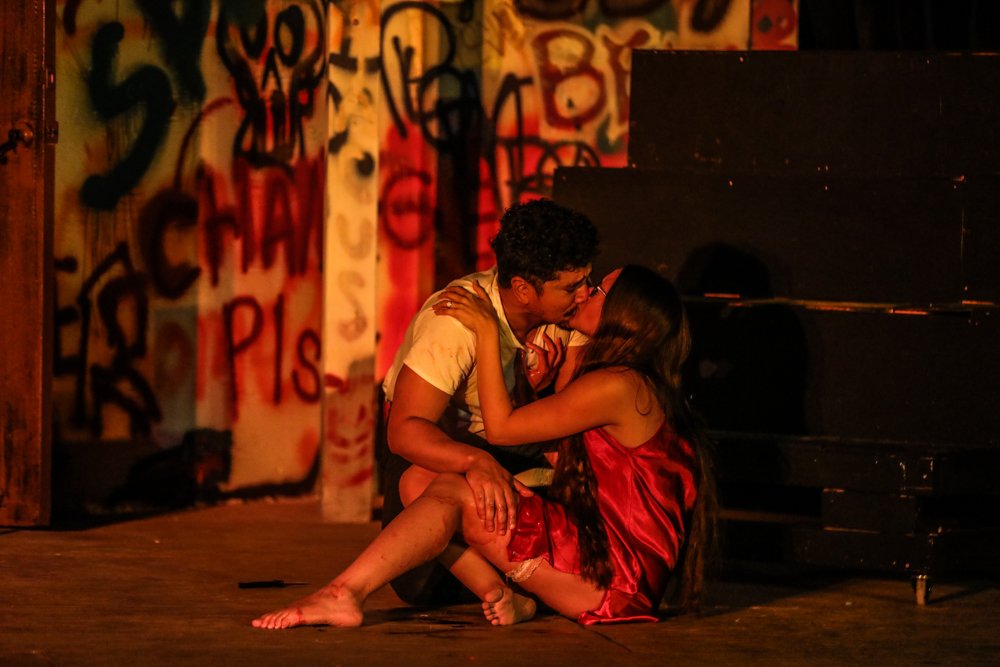
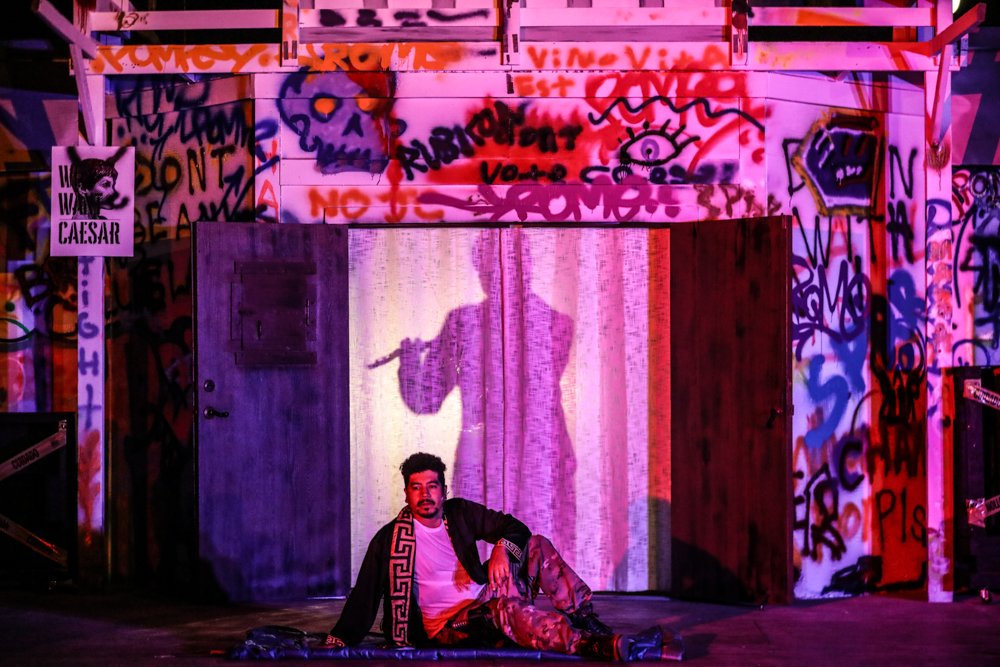
Julius Caesar a classic rife with corruption, populist spin, and viral moments staged in the current political landscape of America.
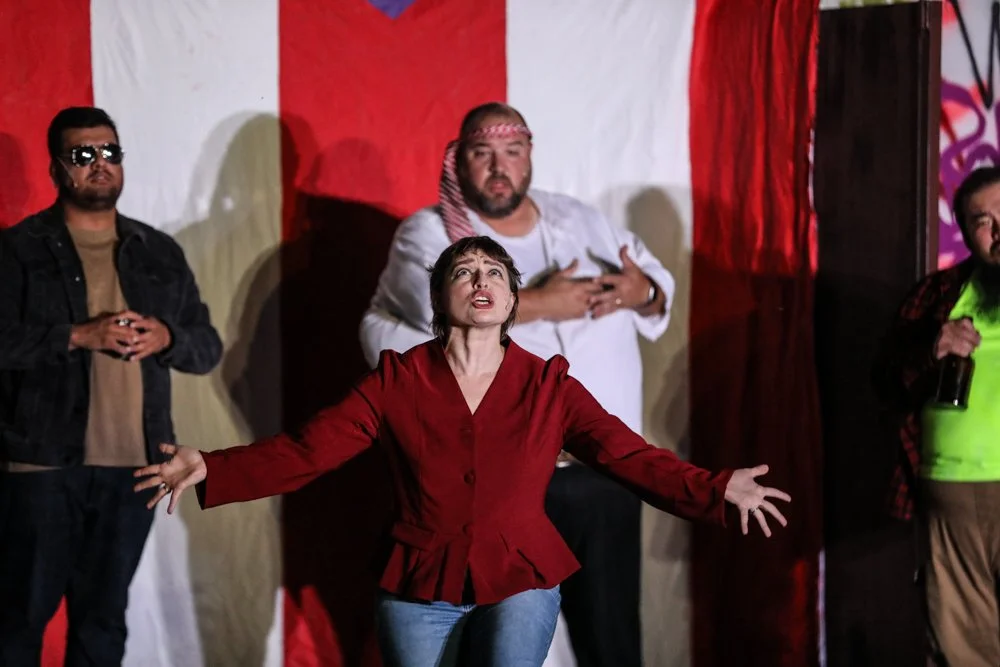

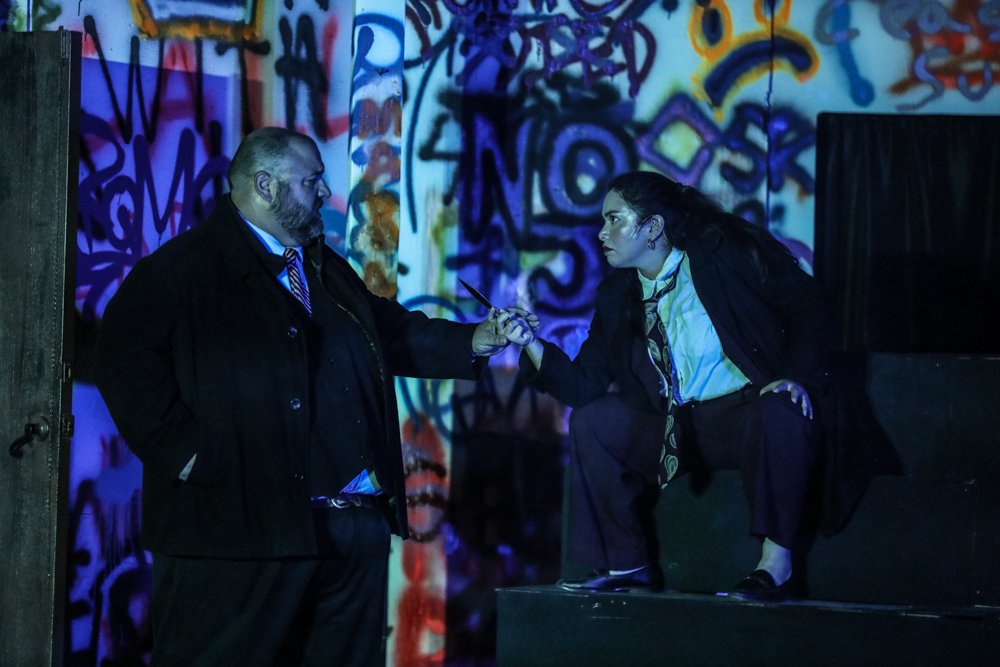
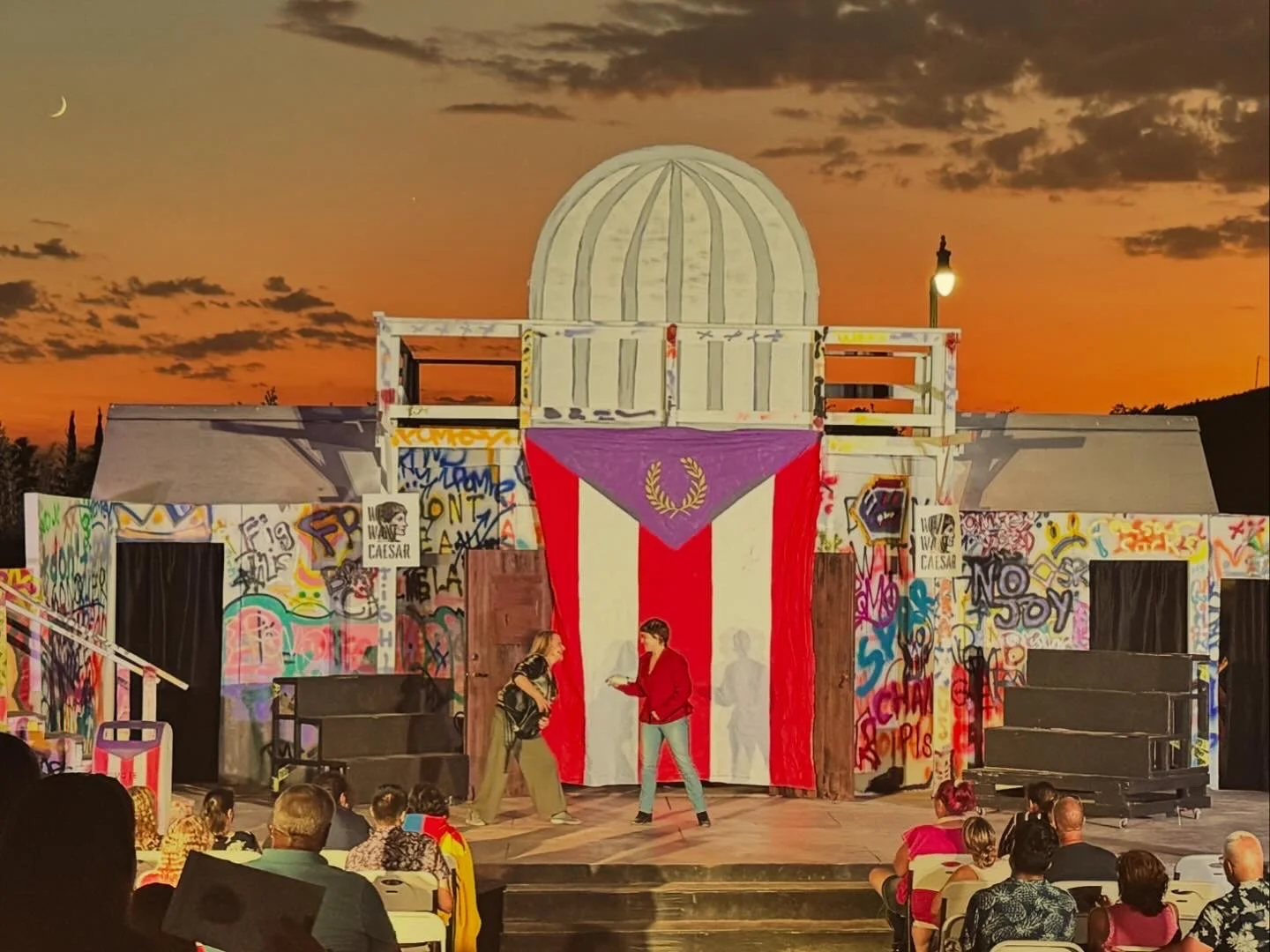
Get ready for a play about the struggle for political power: there is bribery, fake news, upholding democracy, and assassination. We set out to adapt William Shakespeare's timeless masterpiece, "Julius Caesar," to the turbulent landscape of contemporary politics. The time has come to hold up a 425-year-old mirror to what we are dealing with today and realize the things we’re going through are the same issues humanity has experienced through the dawn of time.
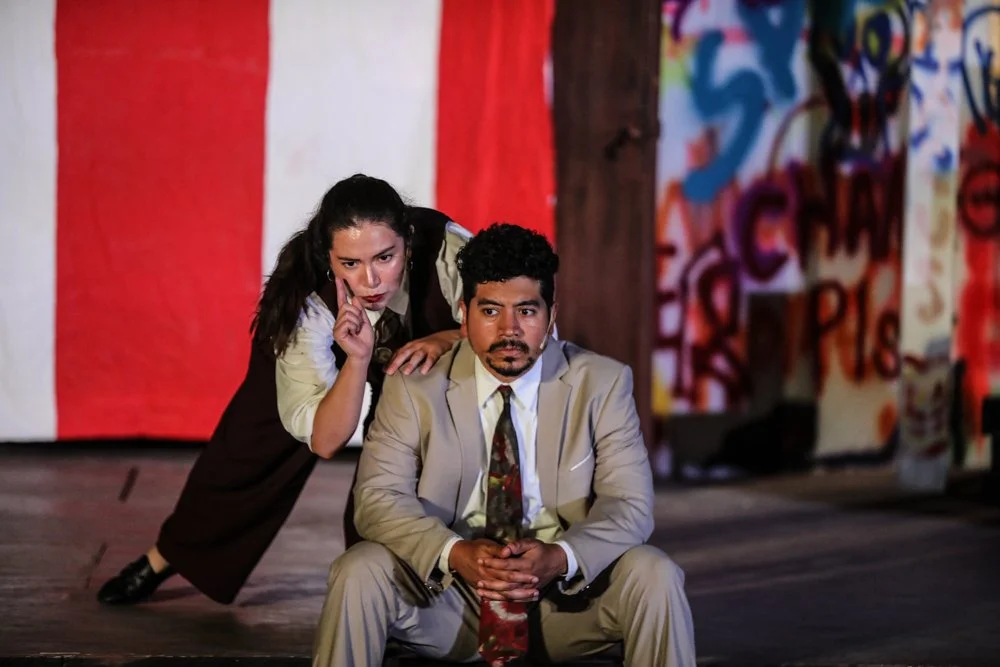
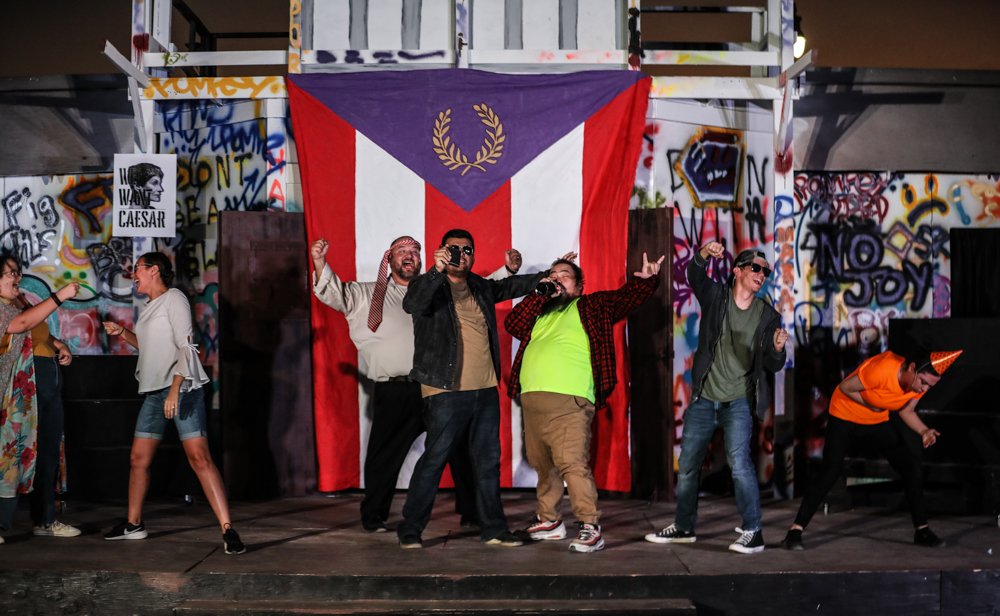
In today's world, where the intersection of power, ambition, and populism holds striking parallels to the Rome of antiquity, our production aims to not only entertain but also provoke thought and conversation. The play starts in an election year after much civil unrest during a jerry-rigged election where two old friends question if their country is still a democracy and contemplate murdering the nation’s leader. The great thing about this play is it is not just a story about an assassination but the aftermath when the country is thrown into chaos and how politicians manipulate the public to support their own bids for power. Of course, the people are going to revolt, how could they not? And when riots give way to a civil war, our main character is left to ask was it all for the greater good, or merely for himself.
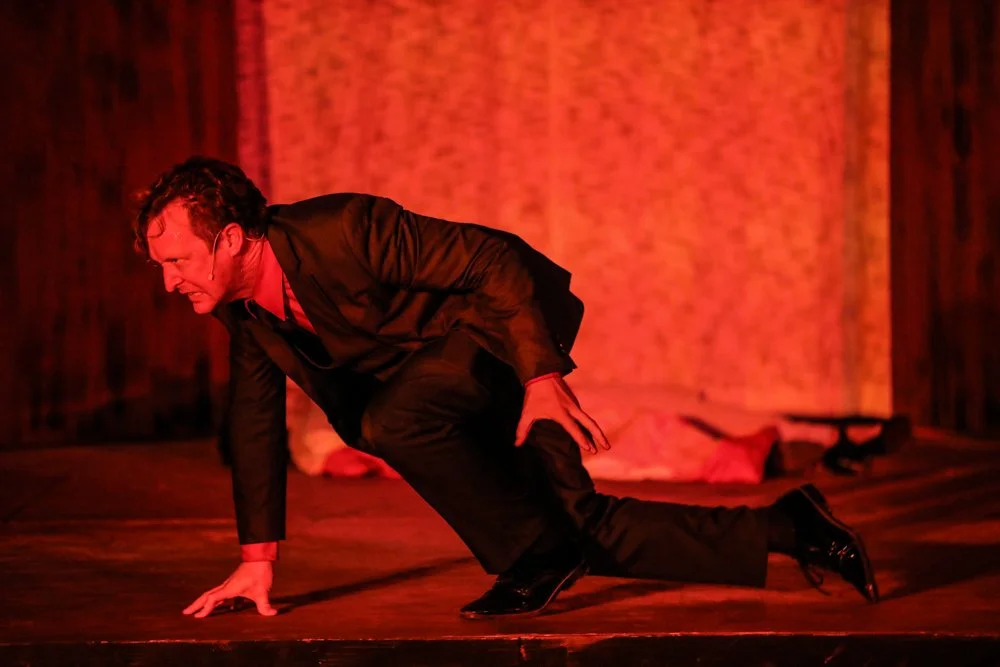
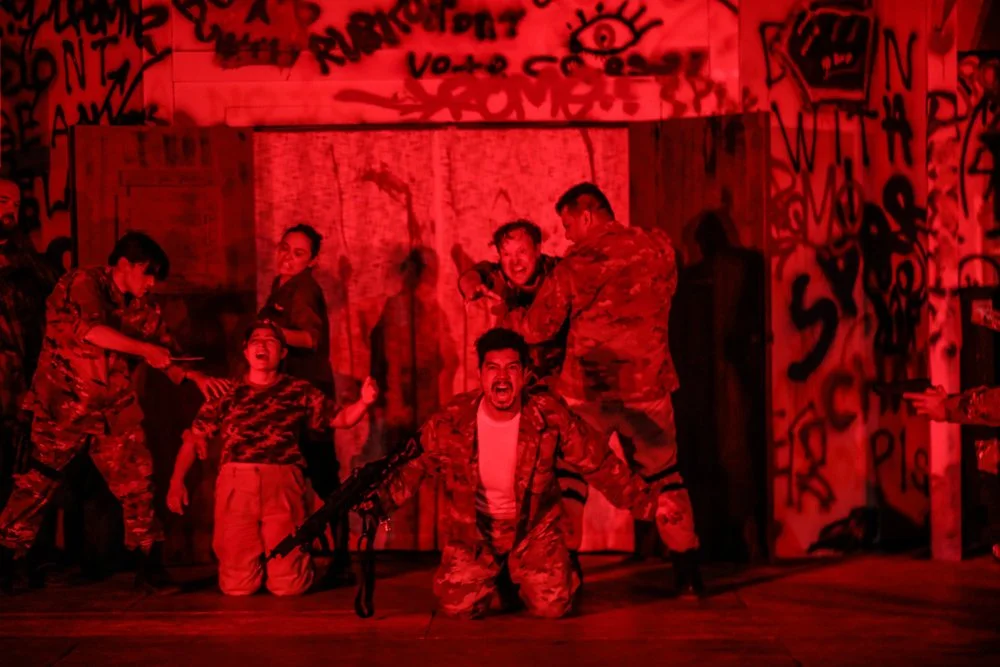
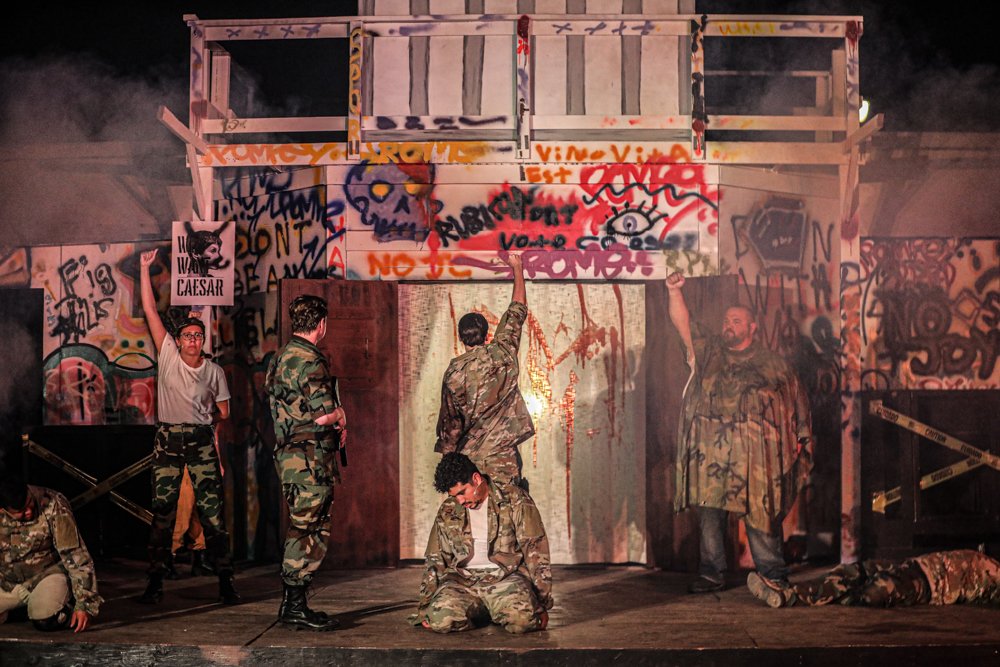
The last quarter of the play, Brutus is thrust into the heart of a civil war. Our production created the movement choreography to communicate the struggles and ramifications of war in an unexpected way. To extrapolate the concept of a battle with the cycle of humanity and communicate that these battles have been fought over and over since the dawn of man. At the end we are left with the central questions: did the conspirators solve anything and what has changed? In this exploration, we seek to shed light on the consequences of unchecked ambition that are so prevalent in our nation today, during an election year.

Our production, therefore, seeks to raise essential questions: What is the responsibility of leaders in a democracy? How do citizens engage with political power and participate in shaping their future? When is dissent a moral imperative, and when does it become destructive? These questions are at the heart of "Julius Caesar," and our adaptation aims to ignite a dialogue, with thrills, a little Dog Day Afternoon, and an amazing cast.